Quality education for urban underprivileged children, by turning a city's museums into schools and its exhibits into teaching aids.
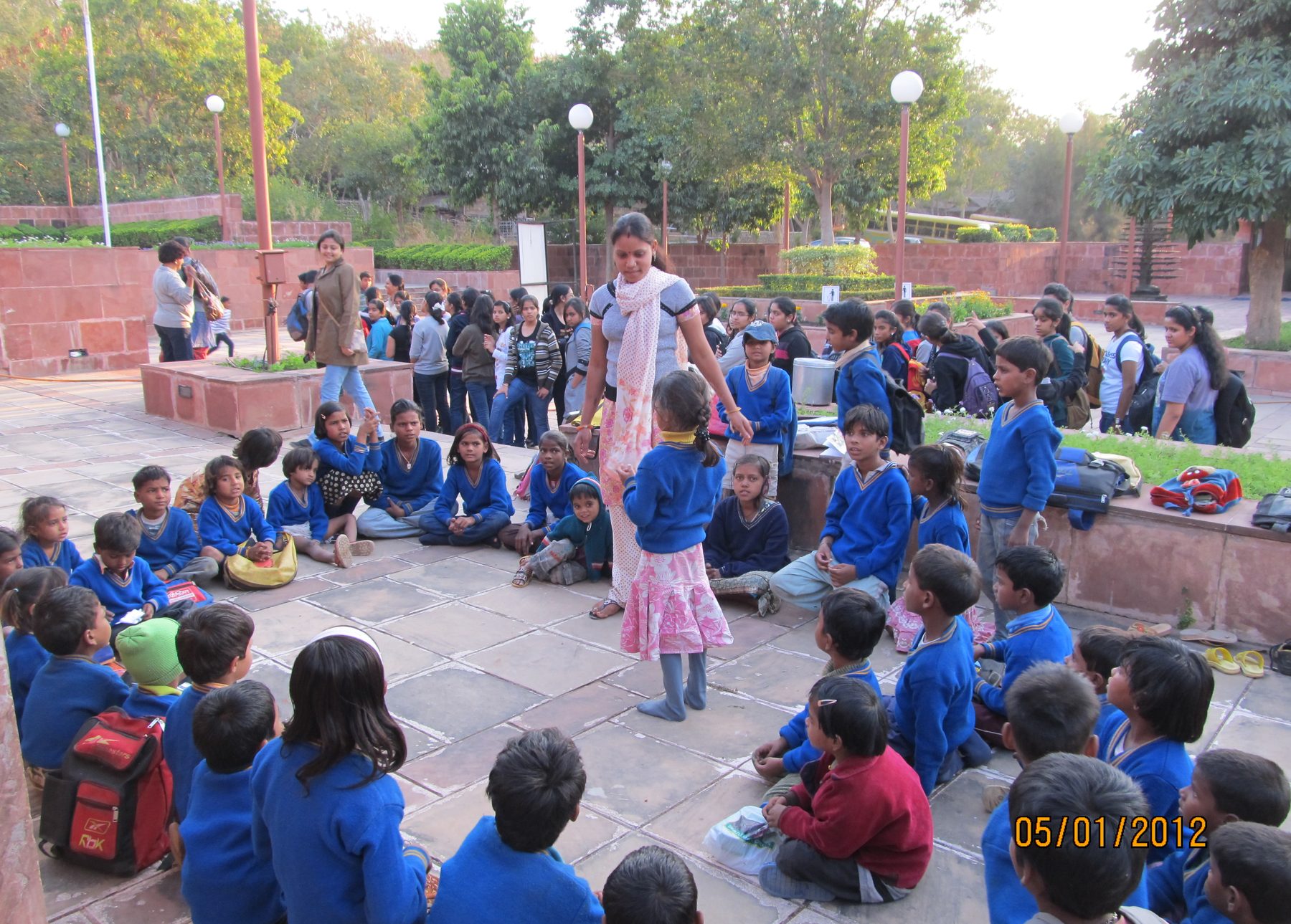
Education is the foundation of a country, yet in the same city a rich child and a poor child receive wildly unequal versions of it. The Museum School was built to erase that gap without asking for new buildings or new budgets.
Today's system too often rewards rote learning over understanding, and the cost of quality keeps it out of reach for the poor. Free textbooks, uniforms and mid day meals have not been enough to hold children in school when the promise of a job feels so distant. The Museum School starts from a different question: what does a city already own that could teach better than any classroom?
OASiS identifies the museums in a city and partners with them to become the school. The exhibits and working models become the teaching aids, mapped to the curriculum. B.Ed. colleges come on board so their trainee teachers complete practice teaching as the children's teachers. The children arrive each day by school bus, just like any privileged child, and learn through real things they can see and touch.
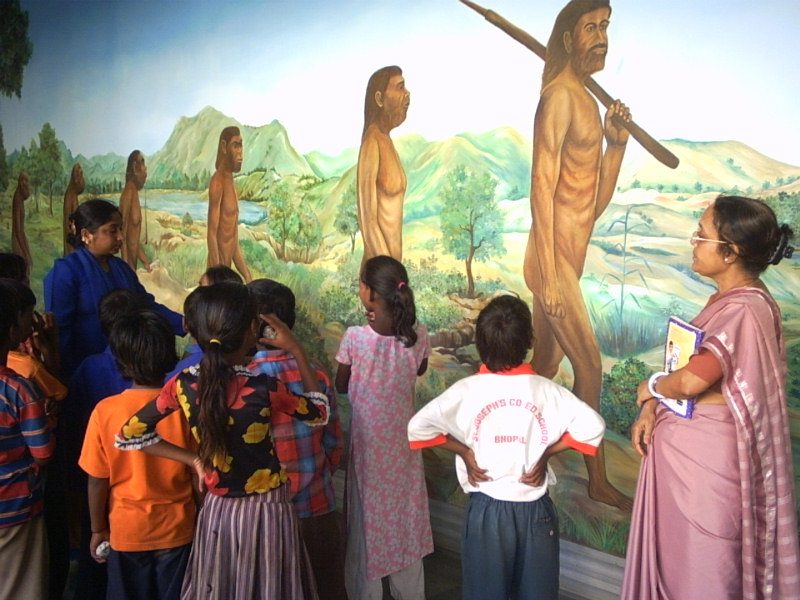
The curriculum, designed under the name Parvarish, runs from behavioural change and literacy through academics, health and adolescence education, and on to vocational skills and entrepreneurship. Children are certified through the National Open School, but the real goal is to make them confident, self employable and independent. Two early students from Bhopal have gone on to study engineering.
It draws on a study of proven education experiments, including Tagore's Shantiniketan, the Aurobindo Ashram's International Centre of Education, and the Japanese system, combining their best practices into one model.
The Museum School began in Bhopal in collaboration with five museums: the Regional Science Centre, the National Museum of Mankind, the State Archaeology Museum, the State Tribal Museum, and the Regional Museum of Natural History. It educates around 200 children a year from eight slum communities, and has reached about 1,200 children over its first ten years. The model has since reached Bengaluru, Mumbai and Delhi, with interest from museums in Chennai. OASiS continues to look for partners to replicate it in new cities.
Visit The Museum School site →
Sponsor a child or a budget head →
Bhopal, running since September 2005 with five museums: the Regional Science Centre, the National Museum of Mankind, the State Archaeology Museum, the State Tribal Museum and the Regional Museum of Natural History. Around 200 children from eight slum communities.
Bangalore, launched on 21 April 2012 by our partner Child Empowerment Foundation India, in collaboration with the Vishwesariya Technology and Industrial Museum.
Mumbai, the Prince of Wales Museum, the Nehru Science Centre and the Maharashtra Nature Park have agreed to become part of the project.
Delhi, five museums have expressed interest and accepted: the National Science Centre, the National Museum of Natural History, the National Crafts Museum, the National Rail Museum and Shankar’s International Doll Museum.
Chennai, three museums have accepted the project: the Birla Planetarium, the Government Museum Egmore and Dakshinachitra.
Mysore, replication planned.
Citizen groups and NGOs willing to implement the model in any of these cities are welcome, and OASiS continues to look for partners to take it to new ones.
The school day to day, its children, and how to support or replicate it.
Turns a classroom into a 3D theatre and a lesson into a 3D film, giving every child a personal teacher and exhibits that pop off the screen, anywhere in the world.
Teaches rural development to rural children, 70 percent practical and 30 percent theory, building a local backbone of professionals to run welfare programmes and earn locally.
Builds critical thinking, awareness and empathy through everyday, experience based learning, the skills today's exam driven schooling tends to leave out.
Whether you bring funds, a fresh idea, or an unsolved problem from the community you serve, there is a way in.